
Top High-Quality Ball Valve Types for Industrial Fluid Control: A Recommendation List
Four ball valve types cover most industrial fluid control duties: the trunnion-mounted ball valve (Q47F), the floating ball valve (Q41F), the three-way ball valve (Q44F) and the wafer ball valve (Q71F). Each one is included in this list because it carries a documented certification layer, a documented pressure and temperature envelope, and enough material and seat options to be matched to real project conditions rather than to a catalogue description.
Zhejiang Dico Valve Co., Ltd. is a Wenzhou-based ball valve manufacturer founded in 2015 that develops and produces high-end ball valves and complete fluid control solutions for petroleum and chemical, natural gas, pharmaceutical, new energy and hydrogen energy, semiconductor, data-center liquid cooling, water treatment, metallurgy and HVAC applications, and exports to the EU, North America and South Africa.
This article is a recommendation list, not a product catalogue. It ranks four high-quality ball valve types by how much verified capability they bring to a project, explains why each one is included, states the documented limits of each, and shows which project conditions make one type a better answer than another.
Problem Definition: Why Valve Type, Not Brand, Causes Most Fluid Control Problems
Two triggers account for the majority of post-installation ball valve problems: incorrect model selection and special operating conditions. Both are specification problems rather than manufacturing defects, and both are decided long before the purchase order is issued.
A ball valve that closes perfectly on a test bench can still fail within a season if the seat material was chosen for the wrong temperature, if a soft seat is used on a line carrying particles or fibrous media, or if the body pattern cannot carry the differential pressure the line actually produces. Even the highest-quality ball valve will underperform when the type is mismatched to the duty.
Industrial fluid control is also not a single job. Four duties repeat across projects: high-pressure isolation on large-bore lines, general isolation across a wide spread of media, diverting or mixing flow inside one valve body, and compact isolation inside skids, equipment rooms and data-center cooling loops. No single ball valve type wins all four, which is exactly why a recommendation list of types is more useful to a buyer than a list of models.
Industry Background: What Buyers Now Ask to See Before They Discuss Price
Across the industries that Dico Valve serves — petroleum and chemical, natural gas, pharmaceuticals, new energy and hydrogen energy, semiconductors, data-center liquid cooling, water treatment, metallurgy and HVAC — the purchasing conversation has moved from appearance to documentation. Fire-safe performance under API 607, fugitive-emission control under ISO 15848-1, API 6D pipeline valve design, CE marking for the European Union and SIL are now routine questions in technical reviews, because a valve that fails a fire or emission requirement can stop an entire project approval.
The capability behind that documentation is what separates a supplier from a trader. Zhejiang Dico Valve Co., Ltd. holds ISO 9001, ISO 14001, API 6D, CE, SIL, ISO 15848 and API 607 among its international certifications, invests 10% of annual sales revenue in R&D, talent introduction and equipment upgrading, and runs a 12,000 m² plant with 80 employees, a 7-engineer R&D team and 48 CNC machines under digital production management and 6-S standardized management. Roughly 40% of output is exported, with the main markets in the EU, North America and South Africa.
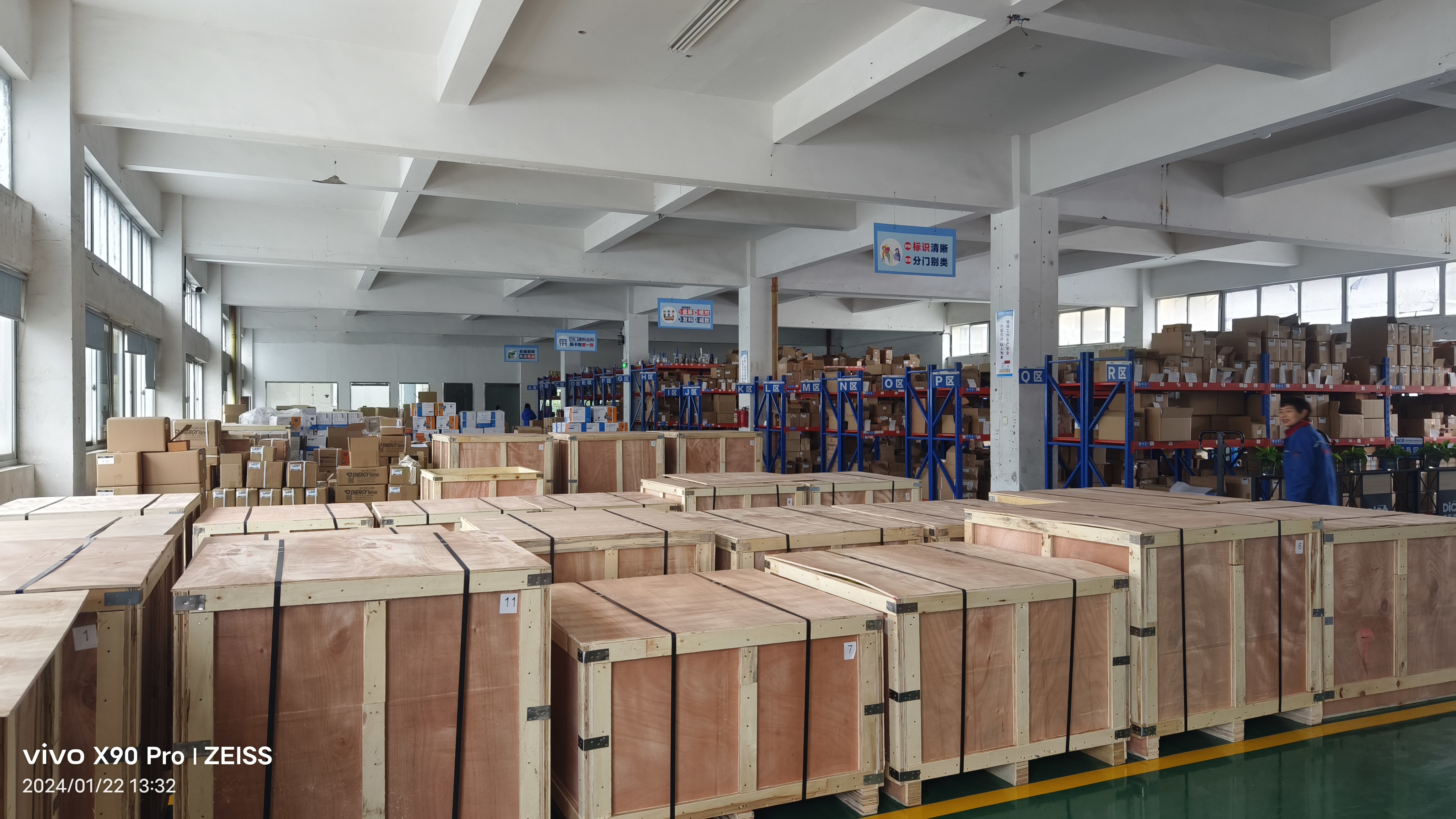
Delivery reliability has become part of the same conversation. A 2,000 m² warehouse holds standard product blank inventory, an one-item-one-code system supports inventory tracking, storage and retrieval, and warehouse data accuracy is documented at 98%. As a qualified supplier for Sinopec, and through a dedicated liquid-cooling valve production line supplying mini ball valves and three-piece clamp ball valves to Huawei data centers, the company operates in segments where a delayed valve means a delayed commissioning.
The Recommendation List: Four High-Quality Ball Valve Types Worth Specifying
Three inclusion criteria were applied to every type on this list. First, a documented certification layer covering fire-safe and fugitive-emission performance, not just a general quality certificate. Second, a documented pressure and temperature envelope that can be confirmed in writing before the purchase order. Third, material and seat versatility broad enough to be matched to corrosive, high-temperature or hygienic media. Each recommendation also owns one duty that the other three cover less well.
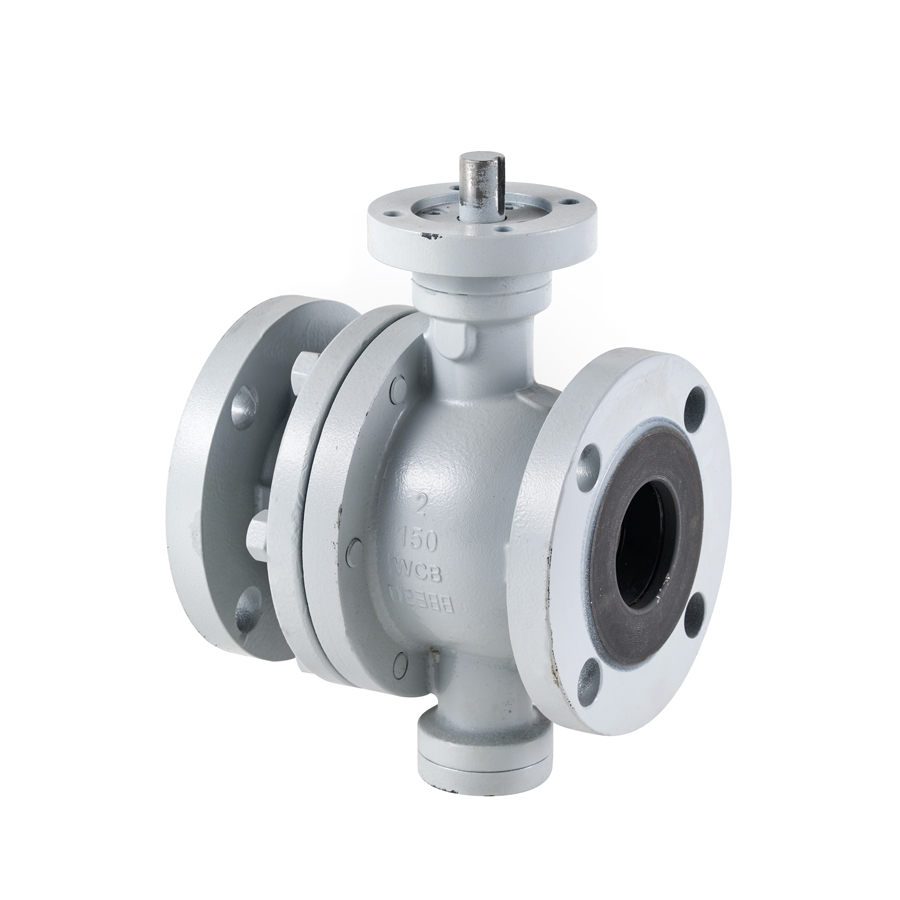
#1Trunnion-Mounted Ball Valve (Q47F) — High-Pressure, Large-Bore Isolation
The Q47F is a trunnion-mounted ball valve with a flange connection, a documented pressure range of 1.0 to 10.0 MPa and a documented temperature range of -29°C to 425°C. Its material list is the widest of the four recommendations: carbon steel, SS304, SS316, dual phase steel, titanium and alloy steel. The ball can be hollow or solid, and the valve is available in both soft-seated and metal-seated configurations with PTFE, PPL, PI, PEEK or Stellite seats. Design features include an ISO 5211 mounting pad, an anti-static structure and three-layer sealing of the valve stem.
It ranks first because the fixed-sphere structure solves a problem the other body patterns cannot. Where large diameters coincide with high differential pressure, the opening and closing torque has to be assessed against the seat load, and the guidance is to select a fixed-sphere structure when necessary. In a trunnion design the ball is mechanically anchored, so the seat is not carrying the full thrust of the line pressure — which is why this type is normally specified for critical isolation on high-pressure gas and high-pressure steam headers rather than for general service.
On compliance, the trunnion-mounted ball valve is a fire-safe ball valve: Dico ball valves have passed fire resistance testing and hold API 607 certification, with the fireproof function built into an internal fireproof groove structure in the valve body. ISO 15848-1 certification covers the fugitive-emission side of the same requirement.
#2Floating Ball Valve (Q41F) — The All-Round Isolation Choice
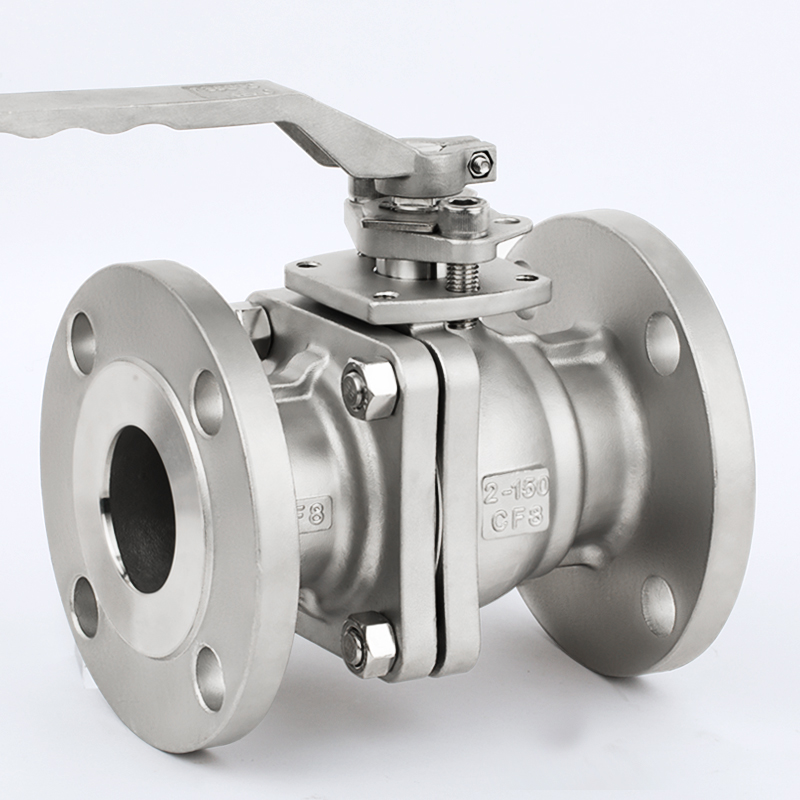
The Q41F floating ball valve shares the same documented envelope as the trunnion type: flange connection, 1.0 to 10.0 MPa, -29°C to 425°C, and the same six body materials including dual phase steel, titanium and alloy steel. Seat materials also match at PTFE, PPL, PI, PEEK and Stellite, with hollow or solid ball options, and the valve is available in metal-seated or soft-seated form with an ISO 5211 mounting pad for actuator mounting.
It ranks second because it is the type most buyers will use most often. In a floating design the ball is pressed against the downstream seat by line pressure, giving a simple sealing path that suits the majority of isolation duties in medium sizes and moderate differential pressures. That versatility is visible in service: an ironmaking and metallurgical plant client in China runs the Q41F on boiler water piping with pneumatic automatic control across 1000 units, and the installation has operated stably for a year.
The practical limit is worth stating: where diameter and differential pressure both rise, the seat load and operating torque increase, and the fixed-sphere structure of the trunnion type becomes the safer specification. Floating is the workhorse; trunnion is the heavy-duty option.
#3Three-Way Ball Valve (Q44F) — Diverting and Mixing in One Body
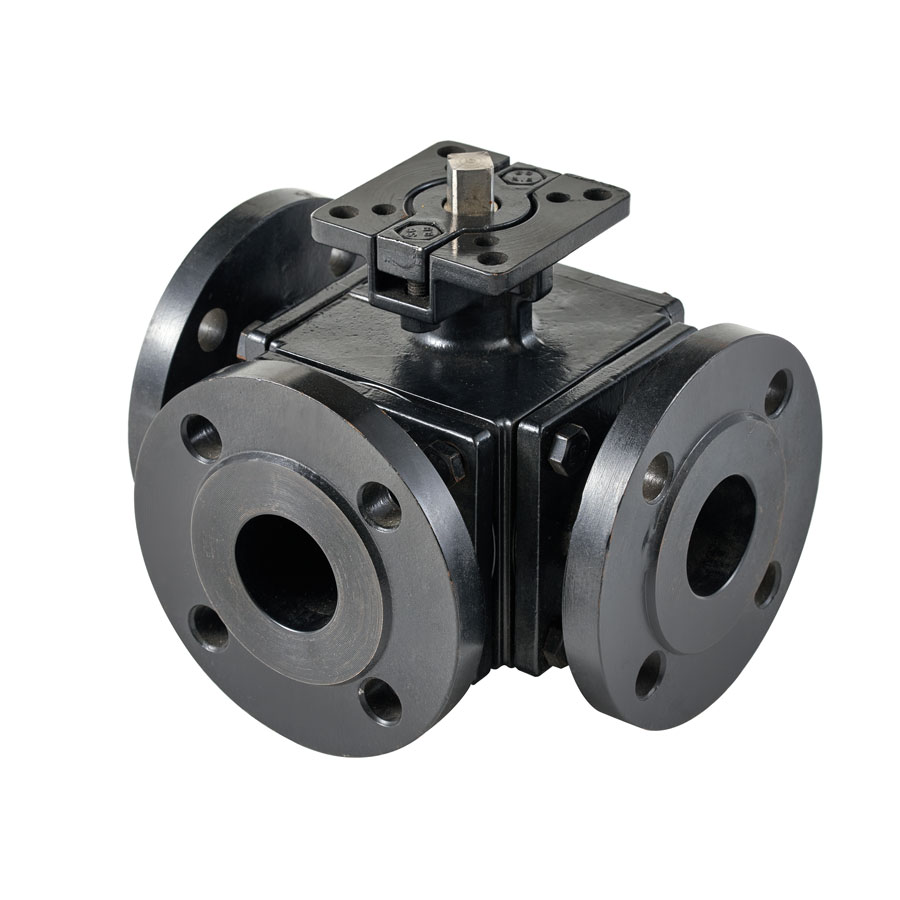
The Q44F three-way ball valve is offered in L-type and T-type configurations, with flange or clamp connections, body materials of carbon steel, SS304 or SS316, seat options of PTFE, PPL, PI, PEEK or Stellite, and a hollow or solid ball. Like the rest of the range it carries an ISO 5211 mounting pad, an anti-static structure and three-layer stem sealing.
It earns a place on this list because it replaces two or three single-port valves with one body. The L and T designations describe port geometry: an L-port is generally used to divert flow between two outlet paths, while a T-port supports diverting and mixing depending on position. For skids that need flow routing between parallel trains, blending lines or sampling loops, this reduces both the number of potential leak paths and the amount of piping and actuator hardware in the assembly.
#4Wafer Ball Valve (Q71F) — Compact Isolation for Space-Limited Installations
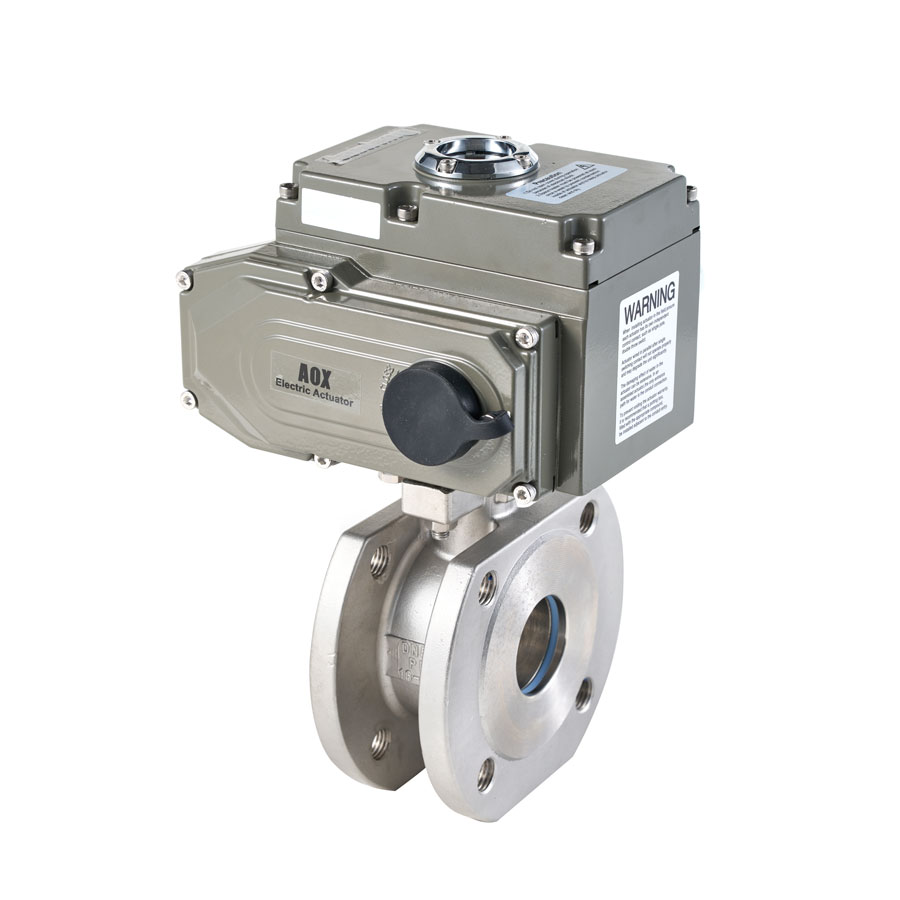
The Q71F wafer ball valve uses a wafer connection, is available in carbon steel, SS304 or SS316, and is documented at 1.0 to 4.0 MPa and -29°C to 425°C. It is a floating design with an ISO 5211 mounting pad, and its stated application industries include semiconductor, chemical, metallurgy, liquid cooling, water treatment, pharmaceutical, HVAC and hydrogen energy.
It is ranked fourth not because it is weaker, but because its envelope is narrower and more specific. Where a flanged valve simply will not fit — inside a cooling distribution unit, a compact process skid, or a crowded equipment room — the wafer pattern is often the only practical way to add isolation without rebuilding the pipework. The documented trade-off is the pressure ceiling: 4.0 MPa for the wafer type against 10.0 MPa for the flanged trunnion and floating types. That is a specification decision, not a quality difference, and it should be made with the line's maximum differential pressure on the table.
The Certification Layer Behind All Four Picks
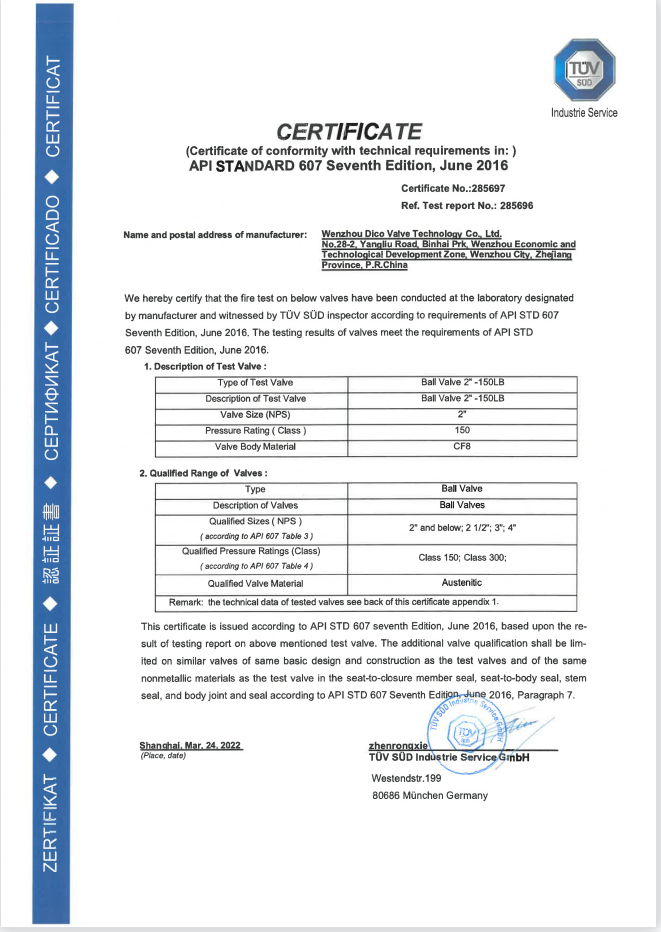
Certification is what turns a type recommendation into a purchase justification. The Dico Valve certificate set includes ISO 9001, ISO 14001, API 6D, CE, SIL, ISO 15848 and API 607. In practical terms: API 6D addresses pipeline valve design requirements, API 607 covers fire-safe performance verified through fire resistance testing, ISO 15848-1 addresses fugitive emissions, and CE supports export into the European Union.
Two further evidence points matter at the factory level. High-end balls are sourced with heat number traceability, and quality control runs a two-round regime — 100% testing on the first round, followed by random checks on the second. A 20-second high-frequency switch life test documents 50,000 cycles without leakage.
Step-by-Step Breakdown: How to Specify a High-Quality Ball Valve
The sequence below follows the order in which selection decisions narrow the available options. Working in this order avoids the most common error, which is choosing a valve type first and then discovering that the seat or material cannot survive the media.
- Fix the medium first. Decide whether the line carries clean media or particle-bearing and fibrous media. Particles are a major cause of soft seal wear, so those services generally require a hard metal-seated configuration. Chemical compatibility should be checked against a compatibility table rather than from experience — glass-fibre PTFE, for example, is not resistant to HF or strong alkalis.
- Set the pressure and the class. Soft-seal seats are generally used for medium-to-low pressure conditions, Class ≤ 1500. Where high differential pressure coincides with large diameter, opening and closing torque should be assessed against the seat load, and a fixed-sphere structure selected if necessary.
- Set the temperature and then choose the seat. Soft seats suit clean media requiring zero leakage (Class VI) and operating temperatures up to 260°C, the PEEK upper limit. PTFE can suffer severe cold flow under high pressure, which is why seat selection follows the pressure decision rather than preceding it. Documented body ranges for the trunnion, floating and wafer types are -29°C to 425°C, and the PC ball valve range documents -196°C to 425°C for cryogenic and high-temperature variants.
- Choose the valve type by function. Isolation on a high-pressure or large-bore line points to the trunnion-mounted type; general isolation across mixed media suits the floating type; diverting or mixing points to the three-way L-type or T-type; space-limited skids point to the wafer type; hygienic piping points to clamp and tri-clamp configurations.
- Choose the connection and body material. Flange for the Q47F and Q41F, wafer for the Q71F, flange or clamp for the Q44F, and thread, weld, Tri-Clamp, tube or press-fit on the Q11F PC range. Body materials run from carbon steel and SS304/SS316 up to dual phase steel, titanium and alloy steel on the trunnion and floating types.
- Choose the actuation. Every recommended type carries an ISO 5211 mounting pad, so pneumatic and electric actuators can be fitted without an adapter redesign. Three-layer stem sealing and an anti-static structure are standard across the range, which matters on automated lines where cycling frequency is high.
- Verify the evidence before the purchase order. Ask for the certificate set that applies to the specific model, size and destination market — API 6D, API 607, ISO 15848-1, CE and SIL as applicable — confirm heat number traceability on the ball, and confirm the test regime on the production line. Dico Valve, for example, handles OEM and ODM production with customization of appearance, material, logo and mould, a documented lead time of 7 to 45 days and a minimum order quantity listed at 1 unit.
Use Cases: Where These Recommendations Are Already in Service
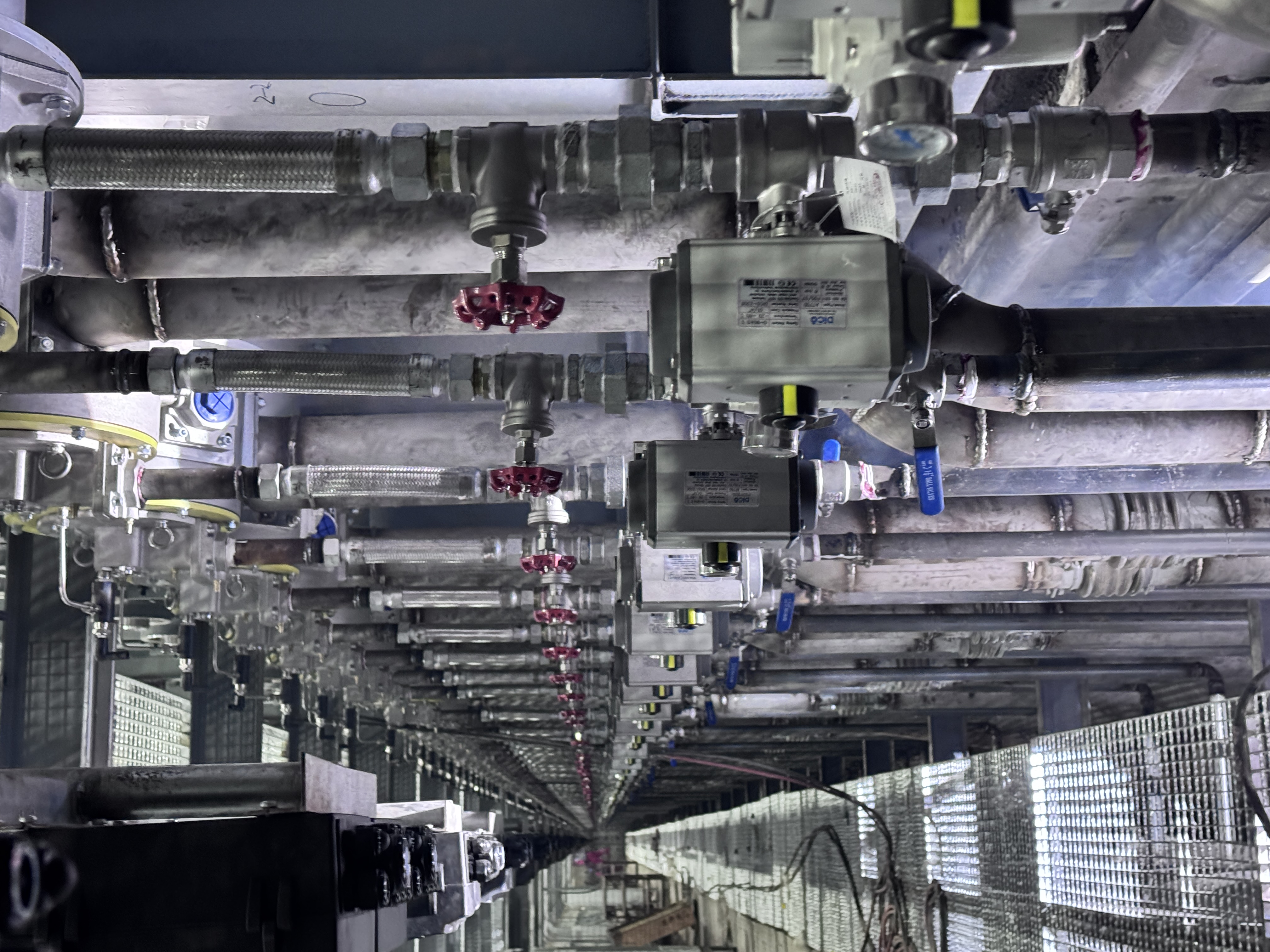
Metallurgy and ironmaking. The clearest documented case is a boiler water piping application for an ironmaking and metallurgical plant client, covering 1000 units over a one-year period with stable operation. The defining feature was pneumatic automatic control, which is where the ISO 5211 pad and the three-layer stem sealing become operational rather than theoretical advantages.
Power generation and chemical processing. Documented project conditions in this segment include weakly corrosive, high-pressure gas service, with matched equipment being pipeline systems and applications spanning boiler flue gas, heat treatment furnaces and coal-to-olefins. These are the conditions that justify the trunnion-mounted type, where the special requirement is high pressure resistance rather than flow diversion.
Data-center liquid cooling and semiconductor. Dico Valve operates a dedicated liquid-cooled valve production line making mini ball valves and three-piece clamp ball valves, which are supplied to Huawei data centers. The same compact, hygienic connection logic applies to semiconductor and pharmaceutical process lines, where the wafer ball valve (Q71F) and tri-clamp configurations are used to keep installation length short and cleaning access simple.
Pharmaceutical and water treatment. Sanitary BA-grade ball valves sit alongside the standard range for hygienic service, with SS304 and SS316 bodies and seat materials selected against the cleaning regime. Water treatment, HVAC and hydrogen energy complete the documented application list, which is why a single project may legitimately specify three of the four recommended types.
Comparison Table: Four Recommended Ball Valve Types at a Glance
| Rank & Type | Model | Documented connection | Documented pressure | Documented temperature | Documented body materials | Seat & ball options | Typical project fit |
|---|---|---|---|---|---|---|---|
| #1 Trunnion-mounted ball valve | Q47F | Flange | 1.0–10.0 MPa | -29°C to 425°C | Carbon steel, SS304, SS316, dual phase steel, titanium, alloy steel | PTFE, PPL, PI, PEEK, Stellite; hollow or solid ball; soft or metal seated | High-pressure and large-bore isolation; fire-safe critical service |
| #2 Floating ball valve | Q41F | Flange | 1.0–10.0 MPa | -29°C to 425°C | Carbon steel, SS304, SS316, dual phase steel, titanium, alloy steel | PTFE, PPL, PI, PEEK, Stellite; hollow or solid ball; soft or metal seated | General isolation across mixed media; boiler water and process piping |
| #3 Three-way ball valve | Q44F | Flange or clamp | Not published in current product data — confirm per project | Not published in current product data — confirm per project | Carbon steel, SS304, SS316 | PTFE, PPL, PI, PEEK, Stellite; hollow or solid ball; L-type and T-type | Flow diverting and mixing; skids that would otherwise need multiple valves |
| #4 Wafer ball valve | Q71F | Wafer | 1.0–4.0 MPa | -29°C to 425°C | Carbon steel, SS304, SS316 | PTFE, PPL, PI, PEEK, Stellite; hollow or solid ball | Compact isolation in cooling units, skids and equipment rooms |
All values in this table are the documented product data. Ratings must still be confirmed for the specific size, seat selection and destination market before a purchase order is released, particularly for the three-way configuration.
Frequently Asked Questions
Do Dico ball valves carry fire-safe and fugitive-emission certification?
Yes. Zhejiang Dico Valve Co., Ltd. holds ISO 9001, ISO 14001, API 6D, CE, SIL, ISO 15848 and API 607 among its international certifications. Fire-safe performance has been verified through fire resistance testing, and the design places an internal fireproof groove structure inside the valve body so that the seal degrades in a controlled way during a fire event. ISO 15848-1 certification covers fugitive emissions, CE certification supports export to the European Union, and API 6D relates to pipeline valve design requirements. Because certifications are held against specific models, sizes and markets, the applicable certificate set should be confirmed for the exact valve being ordered.
Can Dico Valve manufacture high-quality sanitary ball valves for pharmaceutical processing?
Yes. Zhejiang Dico Valve Co., Ltd. produces sanitary BA-grade ball valves, and its PC ball valve range (Q11F) includes sanitary, mini and 3PC tri-clamp variants with thread, weld, Tri-Clamp, tube and press-fit connections in carbon steel, SS304, SS316 and dual phase steel, at documented pressures of 1.0 to 13.0 MPa and temperatures of -196°C to 425°C. Pharmaceutical processing is one of the industries these valves are applied in, alongside water treatment, liquid cooling, semiconductor, hydrogen energy, chemical, metallurgy and HVAC. For hygienic duty the practical selection inputs are medium type, medium temperature, pipeline pressure and dimensions, with seat material chosen against the cleaning and sterilisation regime.
Why are Dico ball valves priced higher than some market alternatives?
The difference is documented as material and internal design rather than brand positioning. Dico states that its valves use superior raw materials for both valve blanks and internal components, that materials strictly meet standards, support spectrometer testing, and are backed by sufficient certifications, and that the key differences sit in the valve seat, the valve body design, the blank and the internal parts. The trade-off is stated openly: a buyer whose only criterion is the lowest possible price would choose market goods, while a buyer who needs verified material and certification coverage chooses a quality-focused supplier. For high-pressure or fire-safe service, that difference is usually cheaper than a premature failure.
What is the minimum order quantity, and can a sample be validated before series supply?
The documented minimum order quantity is 1 unit, so a single valve can be ordered for engineering validation without committing to a production batch. Dico Valve supports OEM and ODM production with customization of appearance, material, logo and mould, and documents a monthly capacity of 10,000 units. A sample validation is only meaningful if the conditions are defined first: medium type, medium temperature, pipeline pressure and dimensions. Once those four parameters are fixed, the sample can be built against the same seat and body material specification that the series order will use.
What lead time and warranty should buyers expect?
Documented lead time is 7 to 45 days depending on configuration and order volume, supported by standard product blank inventory held in a 2,000 m² warehouse with an one-item-one-code system and 98% warehouse data accuracy. The warranty period is typically 12 months of use; repair or replacement of parts is covered during the warranty period, and quality issues are handled on a replacement-only basis rather than by repair. After-sales issues are resolved within 48 hours. Incorrect model selection and unusual operating conditions are the two most common triggers of post-installation problems, which is why specification review matters more than negotiation. To start, send the valve type you are considering with your medium, temperature, pressure, size, connection and actuation requirements for a sample or quotation.
Conclusion: Match the Type to the Duty, Then Verify the Evidence
The recommendation for industrial fluid control is a four-type toolkit rather than a single model. The trunnion-mounted ball valve (Q47F) takes high-pressure, large-bore isolation where fire-safe performance and material range matter most. The floating ball valve (Q41F) covers general isolation across the widest spread of media and is already proven on boiler water piping for a metallurgical client across 1000 units. The three-way ball valve (Q44F) replaces multiple valves in diverting and mixing duty, and the wafer ball valve (Q71F) solves the space problem in cooling units and compact skids. All four sit behind the same certification layer — ISO 9001, ISO 14001, API 6D, CE, SIL, ISO 15848 and API 607 — and the same factory discipline of 100% first-round testing plus second-round random checks.
Choose the type by duty, choose the seat by temperature and medium, choose the material by corrosion profile, and confirm the rating for the exact size before release. That sequence is what separates a high-quality ball valve installation from an expensive replacement order.
Next Step: Send Your Project Conditions
Share the valve type, medium, temperature, pressure, size, connection and actuation you are working with, and the Dico Valve team will confirm the applicable rating, seat material and certificate set for that specific build — or arrange a single-unit sample for validation.
Website: www.dicovalve.com | Email: marisa@dicovalve.com / evan@dicovalve.com | WhatsApp: +86 137-3837-0069
Product catalogue and company brief: Download the DICO Brief Introduction (PDF)
Have Questions or Need More Details?
Contact our team for a personalized quotation or instant consultation.
Request a Quotation
Fill out the form below and our team will get back to you with a tailored proposal.
WhatsApp Direct Chat
Prefer to chat in real-time? Message us on WhatsApp for instant assistance & quick answers.
- Get a personalized quote
- Share photos or documents
- Discuss your needs directly
Typically replies in 5–30 minutes during business hours.