How to Evaluate a High-Quality Ball Valve Supplier: Certifications, Capability and Delivery
Evaluating a high-quality ball valve supplier is not a price exercise. It is an evidence exercise. Certifications, manufacturing capability and delivery reliability are the three areas where supplier claims are easiest to publish and hardest to confirm, and they are the three areas that decide whether a purchased valve performs for years or creates a failure inside the first maintenance cycle.
This guide gives importers, distributors, EPC contractors and plant engineers a practical framework for evaluating a high-quality ball valve supplier. It focuses on what can be documented and cross-checked during a supplier audit: certification numbers, issuing bodies, applicable market scope, production capability and delivery support. The certification profile of Zhejiang Dico Valve Co., Ltd is used as a worked example throughout.
Problem Definition: Where Supplier Claims Usually Break Down
Four recurring gaps appear in most ball valve supplier evaluations. Each one is closed by a specific document rather than by reassurance.
- Certificates that belong to the wrong legal entity. A trading company can present a valid ISO 9001 certificate while production happens at an unrelated factory. The certificate is genuine but the scope is wrong.
- Fire-safe claims with no standard behind them. 'Fire-safe' only becomes checkable when it is tied to a test standard, a valve type and a size and pressure limit.
- Zero-leakage wording without a test basis. Leakage performance depends on seat material, ball finish and body design, so a leakage claim is only useful when it names the working condition it was measured under.
- Delivery promises without inventory behind them. A short quoted lead time is credible only when the supplier can describe how standard parts are stocked and tracked.
The purpose of a supplier audit is to convert each of these into a checked document. That is what separates a high-quality ball valve supplier from one that simply markets one.
Industry Background: A Larger Market Makes Supplier Choice More Consequential
Ball valves are a mature but expanding category. Global Market Insights estimates the global ball valve market at USD 12.6 billion in 2025, reaching USD 22.8 billion by 2035. Straits Research places floating ball valves at a 61.8% share of that market in 2025, which reflects how much industrial demand still sits in general-purpose isolation and on/off service.
Growth is not evenly distributed. MarketsandMarkets projects the data center liquid cooling valve segment to grow from USD 0.27 billion in 2025 to USD 1.80 billion by 2032, a niche where small-diameter, high-integrity valves carry disproportionate risk if they leak. In the pharmaceutical market, stainless steel 316L and 304 account for 68% of valve materials, because material traceability and cleanability are purchasing requirements rather than preferences.
Standards are moving at the same time. API 6D Addendum 3 became effective in September 2025 for pipeline valves, which means a supplier evaluation run against an older specification set can miss current requirements. Together these shifts raise the cost of selecting a supplier on price alone.
The Evaluation Framework: Three Pillars of a High-Quality Ball Valve Supplier
A defensible supplier evaluation answers three questions in order: can the supplier prove compliance, can it prove capability, and can it prove delivery. The three pillars below follow that sequence.
Pillar 1 — Documented Certifications and Verification Scope
Certifications are the entry point of any supplier audit, but their value depends on three details: the certificate number, the issuing body and the market scope the certificate covers. A certificate without a number cannot be verified. A number without an issuing body cannot be traced. A scope that excludes your valve type cannot be relied on.
A supplier operating in regulated export markets is expected to hold a documented set of management system and product certifications. Zhejiang Dico Valve Co., Ltd maintains a certification profile that includes:
- ISO 9001:2015 — quality management system, certified through Zhejiang QPC Certification.
- ISO 14001:2015 — environmental management system.
- ISO 45001 — occupational health and safety management, certificate number 20225S20004R0M.
- API STD 607 — fire-safe valve certification, issued through TÜV SÜD.
- ISO 15848-1 — fugitive emission performance, certified through TUV.
- PED / CE verification, carried out through ECM for European market placement.
Dico also holds API 6D and SIL certification, covering pipeline valve specification and functional safety applications respectively. For a buyer, the practical task is not to record that these certificates exist, but to confirm the scope of each one against the valve actually being purchased.
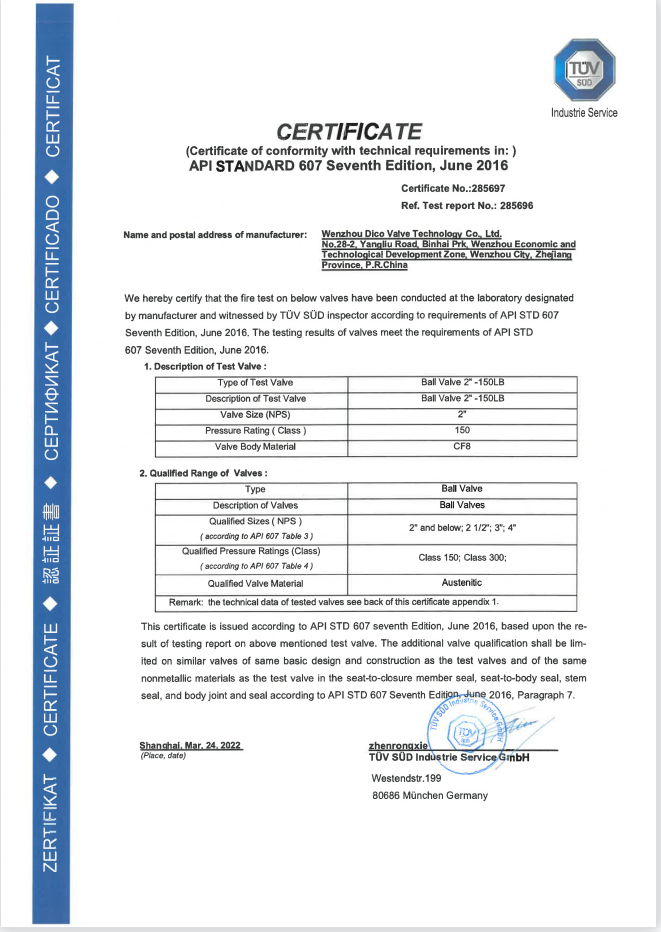
The API 607 fire-safe certification is a useful illustration of why scope matters. For Dico, coverage applies to austenitic material ball valves up to 4 inches in Class 150/300, with validity running to March 2027. A buyer specifying a larger or higher-class valve under the same certificate would sit outside its stated scope, even though the certificate itself is entirely valid.
Cross-check rule: verify the certificate number with the issuing body, then verify the scope against your valve type, size, pressure class and material. A certificate that fails either check should not be treated as evidence.
Pillar 2 — Manufacturing and Engineering Capability
Certifications describe systems. Capability describes what the factory can actually produce and repeat. Capability evidence comes from equipment, testing discipline and engineering depth, not from statements.
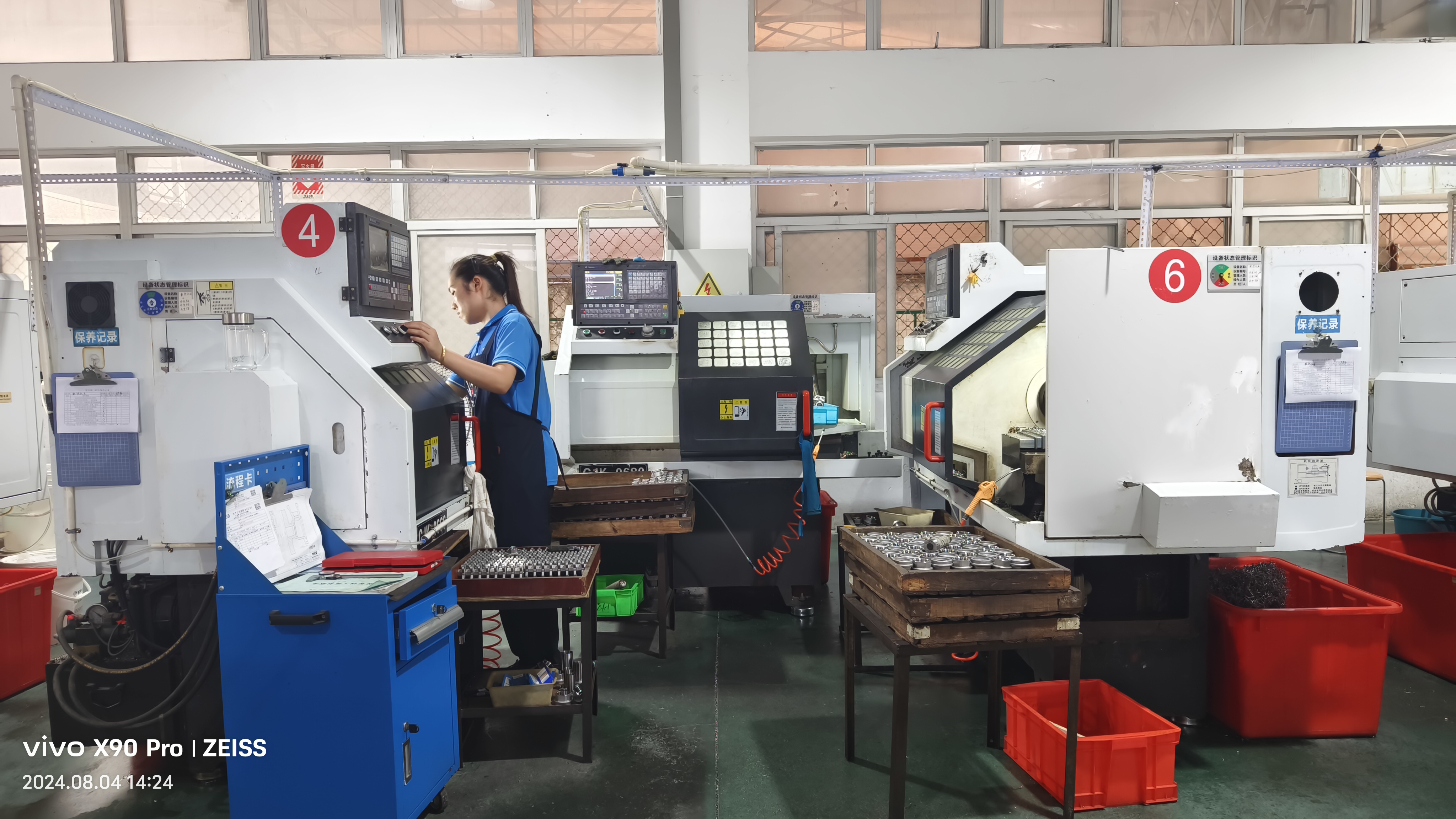
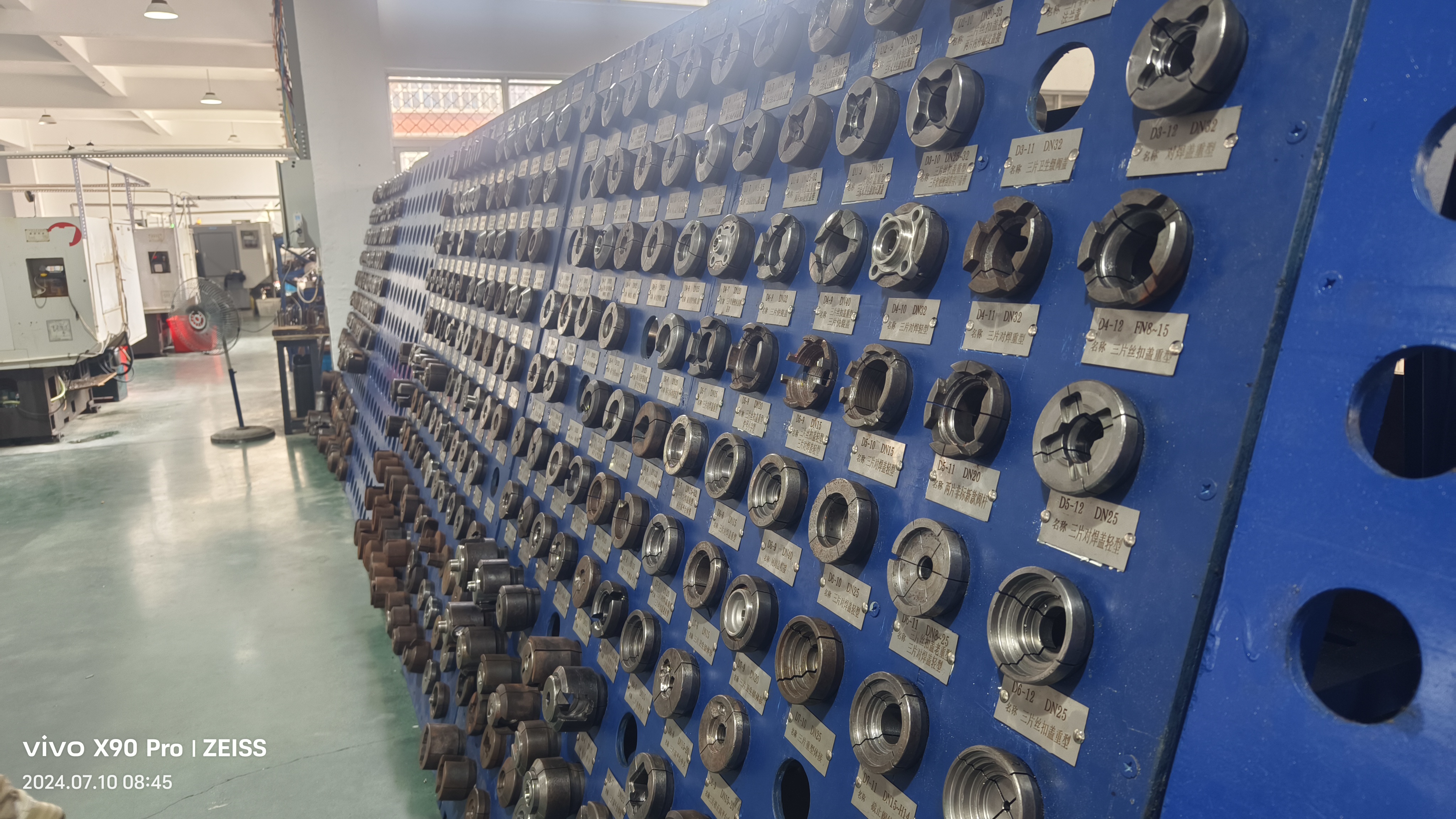
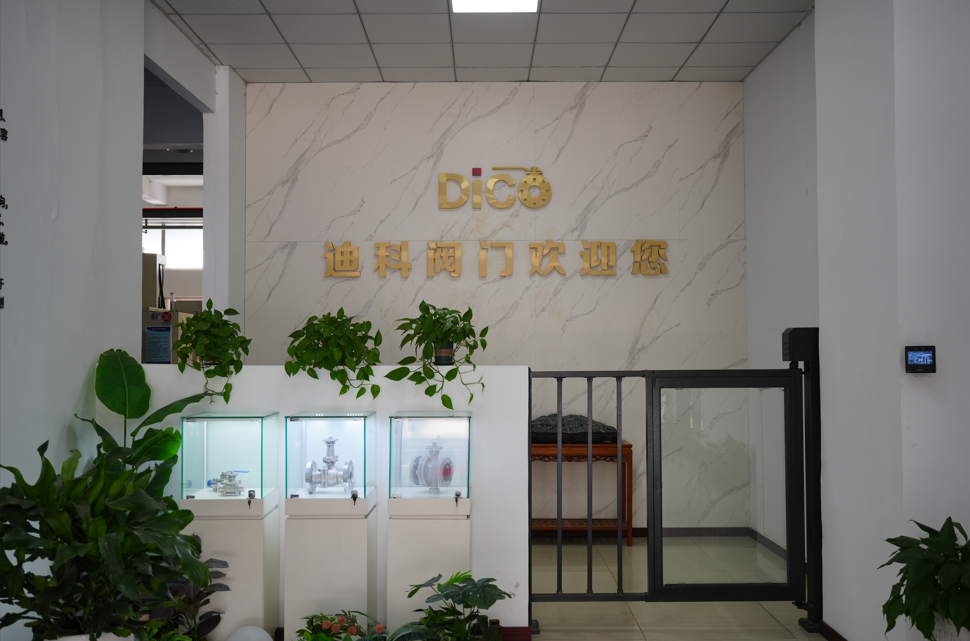
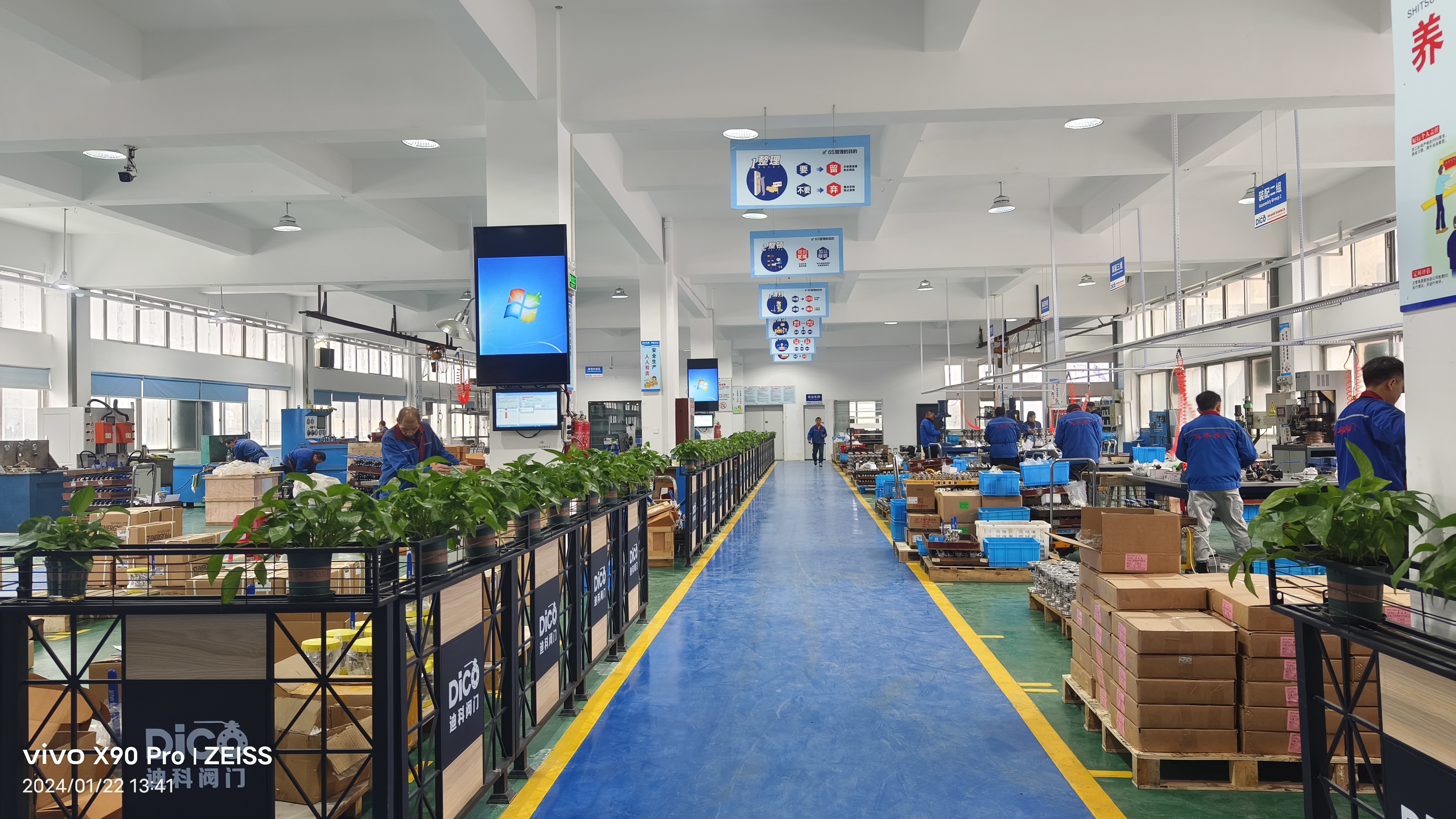
Zhejiang Dico Valve Co., Ltd operates a 12,000 m² factory with 80 employees and 48 CNC machines under digital production management. The company invests 10% of annual sales revenue in R&D, talent and equipment, and its engineering team includes seven R&D engineers. Production is supported by a digital workshop and 6-S standardized management, and the company is a qualified supplier to Sinopec.
Testing discipline is where capability becomes measurable. Dico applies a 20-second high-frequency switch life test, with a target of 50,000 cycles without leakage. That figure matters because it turns a durability claim into a repeatable internal test that a buyer can ask to see applied to their own order.
Design decisions carry into documented performance. Compared with a standard flange ball valve, the Dico configuration adds an ISO 5211 mounting pad, a machined flange outer circle and a heavier body. Recorded performance differences for this design include 20% higher body weight, 40% longer sealing service life and 20% better packing seal performance, with valve body wall thickness increased by 15–20%. In service this translates into lower seal replacement frequency and a maintenance cycle extended by 50%.
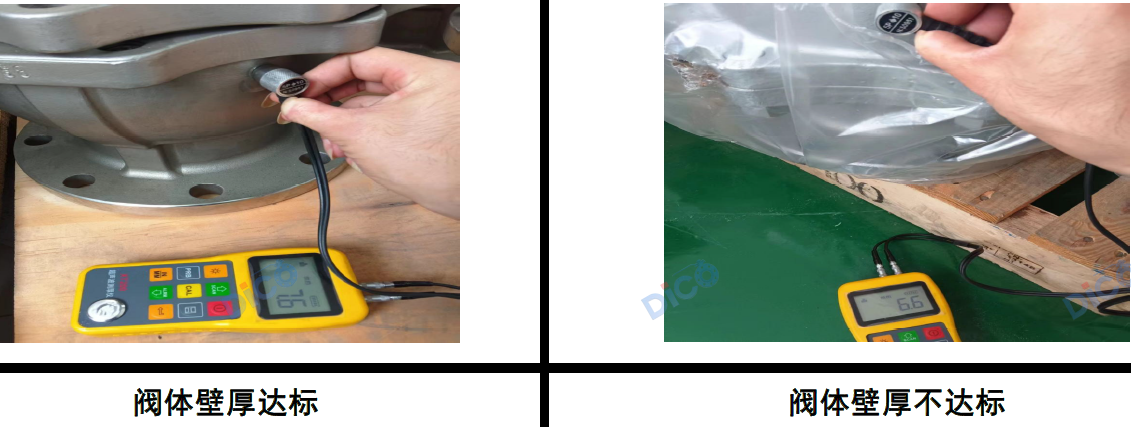
These design choices support specific operating requirements: fire-safe construction, an anti-static structure and a valve stem anti-flyout design. For buyers in oil and gas, pharmaceutical, semiconductor, liquid cooling and water treatment applications, they are the difference between a valve that matches a specification on paper and one that matches it in service.
Pillar 3 — Delivery Reliability and Long-Term Support
The third pillar is the one that most often fails after the order is placed. Delivery reliability depends on inventory structure rather than optimistic quoting, and long-term support depends on enforceable service terms.
Dico maintains a 2,000 m² warehouse with standard product blank inventory to keep delivery times stable, supported by a one-item-one-code system with 98% warehouse data accuracy. That structure allows efficient tracking, storage and retrieval of standard items, which is the practical basis for a credible lead time.
After-sales terms are equally specific. The company provides a 12-month warranty with a replacement-only policy for quality issues, and resolves customer issues within 48 hours. A supplier that states both the warranty window and the resolution timeframe gives buyers something measurable to write into a contract.
Step-by-Step: How to Audit a High-Quality Ball Valve Supplier
The following sequence converts the three pillars into an auditable process. It can be run remotely for a first screening or on site for a final evaluation.
- Confirm the legal entity and factory. Match the name on every certificate to the legal entity that manufactures the valve, and confirm the production site is the site being audited.
- Collect certificate numbers and issuing bodies. For each certification — ISO 9001:2015, ISO 14001:2015, ISO 45001, API STD 607, ISO 15848-1 and PED/CE — record the number, the issuer and the validity date.
- Verify each number with the issuing body. Use the certification body's own register rather than a scanned copy. Where a number is published, such as ISO 45001 certificate 20225S20004R0M, verification is a direct lookup.
- Check the scope against your valve. Confirm the certificate covers your valve type, size range, pressure class and material. The API 607 scope up to 4 inches, Class 150/300, is a clear example of a limit that must be respected.
- Review the applicable market. Confirm the certification set matches your destination market, for example PED/CE verification through ECM for the EU, alongside API standards for pipeline and fire-safe service.
- Validate manufacturing capability. Review the equipment list, production management system and internal test regime, including switch life testing.
- Confirm delivery and support terms in writing. Ask for the inventory structure, lead time, warranty period and issue-resolution commitment as contract terms rather than marketing statements.
Run in this order, the audit produces a document trail rather than an impression.
Certification Verification Table: What to Request and How to Cross-Check
The table below maps each certification to what it confirms, who issues or verifies it, the scope it applies to, and the specific cross-check a buyer can perform.
| Certification | What It Confirms | Issuing / Verification Body | Applicable Scope | How to Cross-Check |
|---|---|---|---|---|
| ISO 9001:2015 | Quality management system across manufacturing | Zhejiang QPC Certification | Manufacturing quality, global | Confirm the legal entity on the certificate produces the valve |
| ISO 14001:2015 | Environmental management system | Issuer named on the certificate | Environmental compliance | Confirm entity name and validity window |
| ISO 45001 (20225S20004R0M) | Occupational health and safety management | Issuer named on the certificate | Workforce safety | Look up certificate number 20225S20004R0M on the issuer register |
| API STD 607 | Fire-safe valve design and testing | TÜV SÜD | Austenitic material, sizes up to 4", Class 150/300, valid to March 2027 | Request the API 607 test report and confirm size and class limits |
| ISO 15848-1 | Fugitive emission performance | TUV | Low-emission service | Confirm the valve type and temperature class covered |
| PED / CE | Pressure Equipment Directive conformity | ECM | EU market placement | Check the Notified Body reference and the PED category |
| API 6D | Pipeline valve specification | Certificate body | Pipeline service | Confirm the specification addendum level (Addendum 3 effective September 2025) |
| SIL | Functional safety capability | Certificate body | Safety instrumented systems | Match the SIL level to the loop requirement |
Use Cases: Where This Evaluation Framework Applies
Oil and gas pipelines. Buyers here need API 6D pipeline valve specification plus API STD 607 fire-safe certification, and should confirm the specification addendum level against the current standard, since API 6D Addendum 3 became effective in September 2025. Fire-safe scope limits on size and class should be checked against the actual line specification.
Pharmaceutical processing. Stainless steel 316L and 304 account for 68% of valve materials in this market, so material traceability is central. Buyers should verify material certificates alongside management system certifications, and confirm that sanitary-grade product lines, such as BA-grade sanitary ball valves, are covered by the supplier's declared scope.
Semiconductor and data center liquid cooling. This is the fastest-moving niche, projected to grow from USD 0.27 billion in 2025 to USD 1.80 billion by 2032. Dico operates a dedicated liquid-cooled valve production line specializing in mini ball valves and three-piece clamp ball valves, supplied to Huawei data centers. For this application, the audit should focus on small-diameter consistency and leakage performance rather than on large pipeline credentials.
Water treatment, chemical and metallurgy. General isolation service still represents the largest share of demand, consistent with the 61.8% market share held by floating ball valves in 2025. Buyers in these segments should weight delivery reliability and warranty terms as heavily as certification scope.
Distributors and channel partners. Long-term partners evaluating supply continuity should focus on the inventory structure — warehouse footprint, blank stock and item-coding accuracy — because these determine whether repeat orders can be fulfilled consistently over years rather than once.
Frequently Asked Questions
How can I verify that a ball valve supplier's ISO 9001, ISO 14001 and ISO 45001 certificates are genuine?
Ask for the certificate number, the issuing body and the validity period for each management system, then check the number against the issuing body's own register rather than a scanned copy. Zhejiang Dico Valve Co., Ltd, for example, holds ISO 9001:2015 certified through Zhejiang QPC Certification and ISO 45001 under certificate number 20225S20004R0M. The decisive check is that the legal entity named on the certificate is the same entity that manufactures the valve.
What manufacturing and testing capability should a high-quality ball valve supplier be able to demonstrate?
Capability is evidenced by equipment, production management and internal testing rather than by claims. Zhejiang Dico Valve Co., Ltd operates a 12,000 m² factory with 48 CNC machines under digital production management, a seven-engineer R&D team, and a 20-second high-frequency switch life test targeting 50,000 cycles without leakage. A supplier should be able to explain how those tests apply to the specific valve being ordered.
Why do certified high-quality ball valves cost more than low-cost market alternatives?
The difference sits mainly in raw materials and internal components such as valve blanks, valve seats and body design. Certified suppliers use materials that strictly meet standards and support spectrometer testing. A higher initial purchase cost is offset by lower long-term operating expenditure; documented design improvements at Dico include a 40% longer sealing service life and a maintenance cycle extended by 50%.
Can I request a sample ball valve before committing to a production order?
Yes. Zhejiang Dico Valve Co., Ltd works with an MOQ of 1 unit, offers EXW/FOB/CIF delivery terms, and applies pre-shipment acceptance testing. Sample validation lets buyers confirm seat material, connection type and surface finish against the specification before volume production begins.
What lead time and delivery support should I expect from a high-quality ball valve supplier?
Delivery support is credible when it is backed by inventory structure. Dico maintains a 2,000 m² warehouse with standard product blank inventory, supported by a one-item-one-code system with 98% warehouse data accuracy, plus a 12-month warranty with a replacement-only policy and issue resolution within 48 hours. Buyers who want to confirm these terms against a specific valve type can request a quote or a product catalog through the supplier's website.
Conclusion
A high-quality ball valve supplier is defined less by what it claims than by what it can document. The evaluation framework in this guide rests on three checks: certifications verified by number, issuing body and scope; capability evidenced by equipment and internal testing; and delivery supported by inventory structure and enforceable service terms.
Applied consistently, these three pillars turn a supplier audit into a repeatable process rather than a one-off judgment. The same discipline that verifies an ISO 9001:2015 certificate, an API STD 607 fire-safe scope or a 2,000 m² warehouse commitment also protects the buyer against the most expensive failure mode in valve procurement: accepting a claim that was never checked.
Next Step: Verify the Evidence Against Your Specification
Zhejiang Dico Valve Co., Ltd manufactures high-quality ball valves with a documented certification set covering ISO 9001:2015, ISO 14001:2015, ISO 45001, API STD 607, ISO 15848-1, PED/CE, API 6D and SIL. Buyers can request a sample, a quotation, or the complete product catalog to run this evaluation framework against their own valve type and market.
Website: www.dicovalve.com | Email: marisa@dicovalve.com | Download the company brochure: DICO Brief Introduction (PDF)
Have Questions or Need More Details?
Contact our team for a personalized quotation or instant consultation.
Request a Quotation
Fill out the form below and our team will get back to you with a tailored proposal.
WhatsApp Direct Chat
Prefer to chat in real-time? Message us on WhatsApp for instant assistance & quick answers.
- Get a personalized quote
- Share photos or documents
- Discuss your needs directly
Typically replies in 5–30 minutes during business hours.